
What happened at the church
A group of activists entered a Minneapolis church service over the weekend and livestreamed part of the encounter. The pastor asked them to leave while families and children were inside. One of the visitors was a well known former cable news anchor who said he was exercising the right to protest. Worshippers and the pastor say the interruption crossed a line from protest into harassment. Video of the exchange circulated quickly online and brought the matter to national attention. Local authorities have been asked to explain whether any laws were broken and how they will respond to similar disruptions in the future.
How President Trump responded
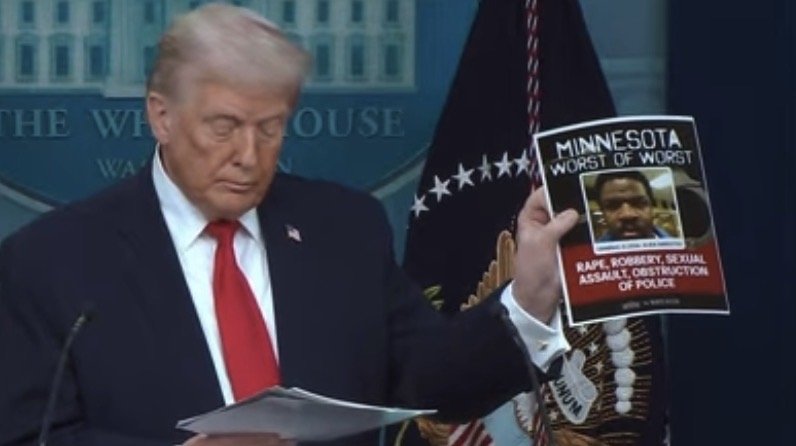
At a White House briefing, President Trump criticized the activists and defended the pastor and worshippers. He showed images of noncitizens with criminal records and argued ICE should remove people who have committed crimes. He also called out the media figure who joined the protest, repeating a harsh description he used in the briefing. The president framed the episode as part of a larger debate over immigration, law enforcement, and public order, and he suggested public officials who tolerate such behavior should be held to account.
ICE, mugshots, and the law
Trump displayed mugshots and said they belonged to people ICE has targeted for removal. Federal immigration authorities do remove noncitizens who have criminal convictions, and those deportation cases often include serious charges. The president used those images to make a case for enforcement and to question local policies that limit cooperation with federal immigration agents. Whether those particular cases line up with the president’s claims is a matter for records and due process. Displaying mugshots in a briefing is a political move. It aims to narrow the conversation to criminality rather than the broader questions about immigration policy.
Journalists who act like protesters
When reporters step off the podium and into front line activism the lines get blurry. A journalist can cover a story, ask tough questions, and still remain a reporter. When a media figure joins a noisy protest inside a place of worship, it raises predictable questions about role and motive. Supporters will call it brave reporting. Critics will call it harassment. The public ends up deciding which view seems more credible. The bigger issue is media outlets letting lines blur between journalism and activism, and how that affects trust in coverage.
Paid agitator claims and political theater
The president accused some of the protesters of being paid agitators. Claims that protesters are paid are common in political disputes. Sometimes they are true. Often they are hard to prove. The allegation functions as a way to discredit tactics and shift focus from the underlying issue. Politics has long liked simple explanations. Labeling opponents as paid troublemakers is an efficient way to discredit an entire movement without engaging the substance. Voters should ask for evidence before accepting the claim as fact.
What to watch next
This episode touches on three things voters should follow. First, did local police or prosecutors break any laws in how they handled the church interruption. Second, will federal immigration claims shown in a national briefing match the public record for those individuals. Third, how will media organizations set boundaries for employees who want to support causes while also covering related stories. These are not trivial points. They affect public safety, the rule of law, and trust in news. Momentum and theatrics make headlines. Records and rulings answer questions.
WE’D LOVE TO HEAR YOUR THOUGHTS! PLEASE COMMENT BELOW.


Leave a Comment