What the performer said
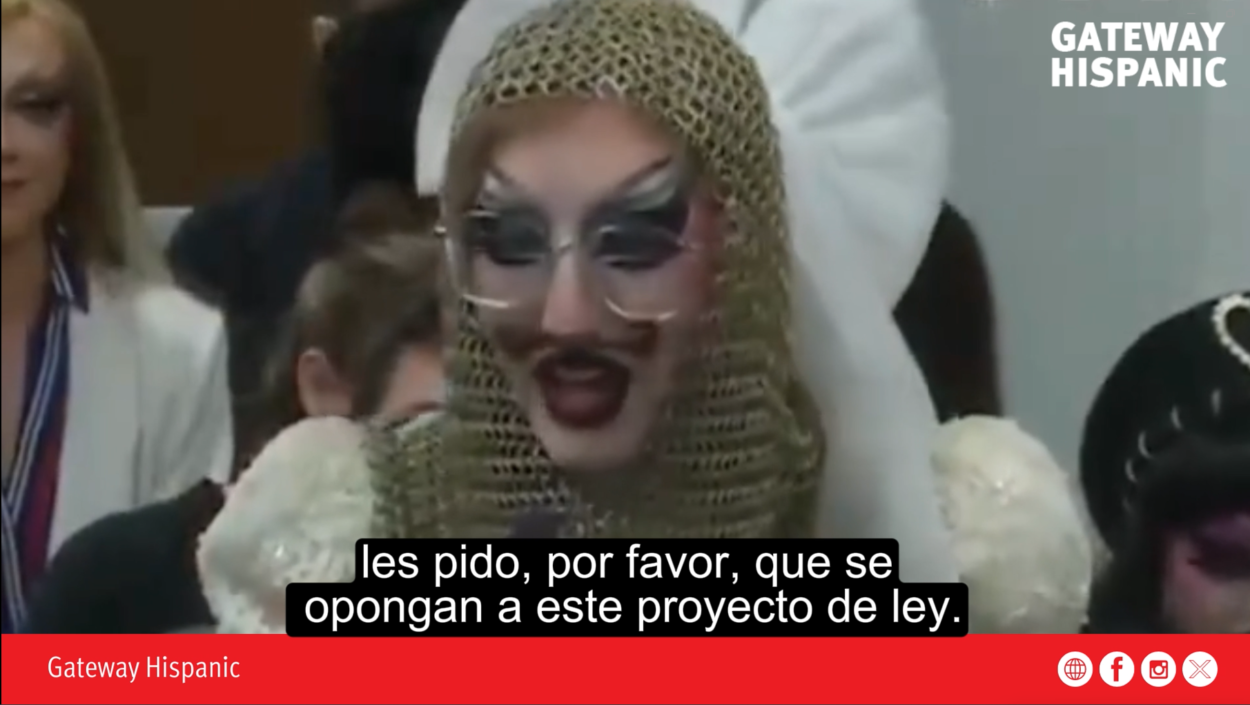
A drag performer spoke against a bill that would limit or ban drag shows aimed at children. She told lawmakers she relies on her faith and her stage experience. She said there are no verified studies showing children are harmed by attending these events. She described family shows as fun and harmless and urged critics to see an all-ages performance before judging. The message was simple: these are meant to entertain, not to harm or confuse kids.
How organizers say they protect kids
According to the performer, organizers set strict rules for family shows. They avoid sexually explicit material. They choose songs and jokes meant for all ages. Profanity and hateful messages are banned. Parents attend, venues set standards, and performers say the results are kids leaving laughing and happy. That checklist sounds sensible on paper. Whether rules work the same in every town is another question that gets lost in headline fights.
Faith, art, and an invitation
She framed her defense with faith, calling herself a woman of God who performs out of love and art. That is a clever move. Faith claims make a different kind of argument than pure entertainment talk. She also invited skeptics to watch a family show, pointing to harmless acts like goofy dances to Frozen as the norm. An invitation to witness is an old political tactic. It asks people to judge what they see, not what they fear.
Why conservatives remain worried
Conservatives push back for several reasons. Some point to a history of sexualized performances and political activism tied to drag culture. Others worry about symbols, context, and subtle messages that may not suit young children. The current administration has emphasized child protection and family values, so the debate is political as well as cultural. For many parents, the issue is not only explicit content but the larger context that shapes growing minds.
What lawmakers will have to balance
Lawmakers face a simple but sticky task. They must weigh parental rights, child safety, and free expression. They must also decide how much trust to place in event rules and venue safeguards. Calls for clearer definitions and evidence are reasonable. Bans based on vague fears are less so. In practice, legislators will have to translate broad concerns into specific rules that can be enforced without swallowing free speech whole.
WE’D LOVE TO HEAR YOUR THOUGHTS! PLEASE COMMENT BELOW.

Leave a Comment