
What the Ayatollah Told the Nation
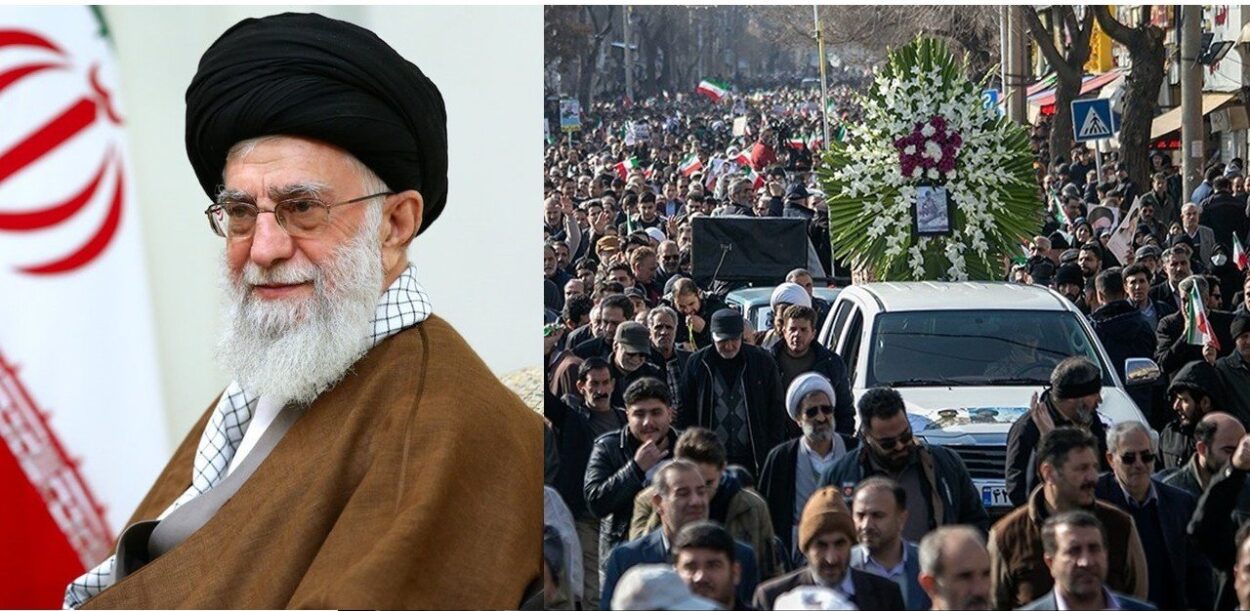
Ayatollah Ali Khamenei publicly acknowledged that thousands died during recent nationwide protests and placed the blame on former President Donald Trump, accusing him of encouraging unrest. Khamenei called the demonstrators foreign‑backed agitators and warned of consequences for anyone who joined the protests. He did not directly address numerous witness accounts and human rights reports that security forces used live fire against unarmed civilians. The message was equal parts admission and deflection: admit the scale of the crisis, then shift responsibility to an external enemy. That is a familiar play in authoritarian PR manuals.
The Death Toll and the Numbers Game
Tallies vary. An unnamed Iranian official told Reuters that at least 5,000 deaths were verified, including roughly 500 security personnel. The U.S. based Human Rights Activists News Agency reported 3,919 confirmed deaths with nearly 9,000 more under investigation and more than 24,600 arrests. Human rights groups say security forces removed injured protesters from hospitals and restricted care while phone outages left some wounded without help. The differing figures underline how hard it is to get reliable counts in a country that controls the narrative and cuts communications when it suits them.
Shutdowns, Hacks, and Threats
The government ordered a near total internet shutdown and restricted outside access. During the blackout, state TV channels were briefly hacked and aired footage of anti regime protests and messages from exiled opponents. Iran’s judiciary signaled that some detainees could face the death penalty. Heavy clashes were reported especially in Kurdish areas. In short, the state moved to silence information, then used legal threats to deter dissent. When a government controls both the signal and the courthouse, independent verification becomes very difficult.
The Day Washington Almost Struck
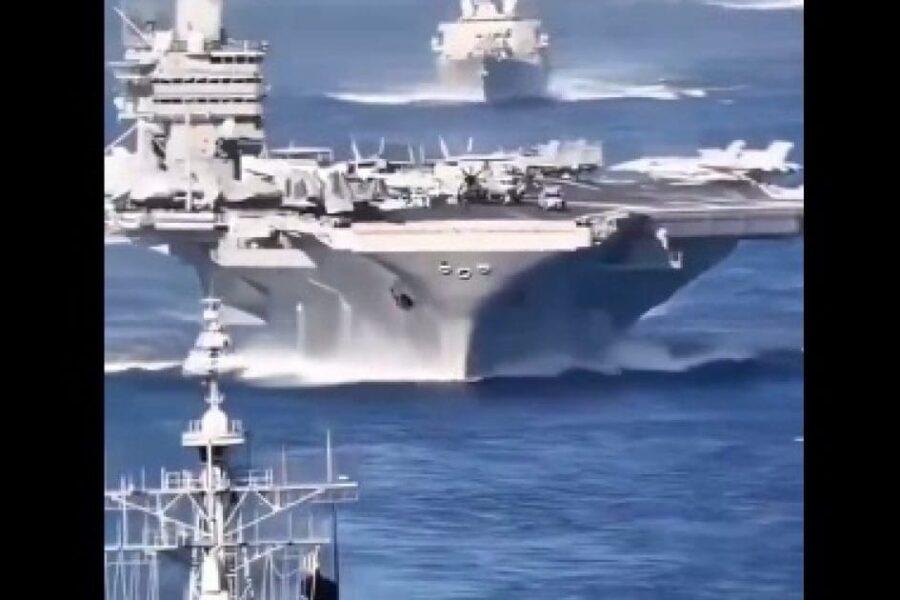
U.S. forces moved into position on January 15 and a strike order nearly came. Reports say Mr. Trump pulled back after calls from regional leaders and warnings from Pentagon officials about uncertain outcomes and potential retaliation. Israel and several Gulf states urged caution, arguing they were not ready for the fallout. The USS Abraham Lincoln carrier strike group was en route but would not arrive for weeks. Instead of bombs, the administration imposed sanctions on 18 Iranian entities and announced tariffs on countries doing business with Tehran. The episode highlighted a recurring dilemma: act quickly and risk wider war, or wait and risk further bloodshed.
Why This Moment Matters
Iran faces economic collapse, with reports of steep currency devaluation and a weakened regional posture after recent strikes. Protesters chanted for a democratic republic and an end to clerical rule. Some hoped U.S. military action might tip the balance. Officials in Washington warned that strikes could destabilize the region, endanger U.S. troops, and shock oil markets. Treasury officials urged patience and sanctions. The result is a fraught mix of domestic anger, state repression, and international caution. The conflict between wanting to help and fearing a larger war is where policy gets messy and bureaucracy gets busy.
WE’D LOVE TO HEAR YOUR THOUGHTS! PLEASE COMMENT BELOW.
Leave a Comment