
What the president announced
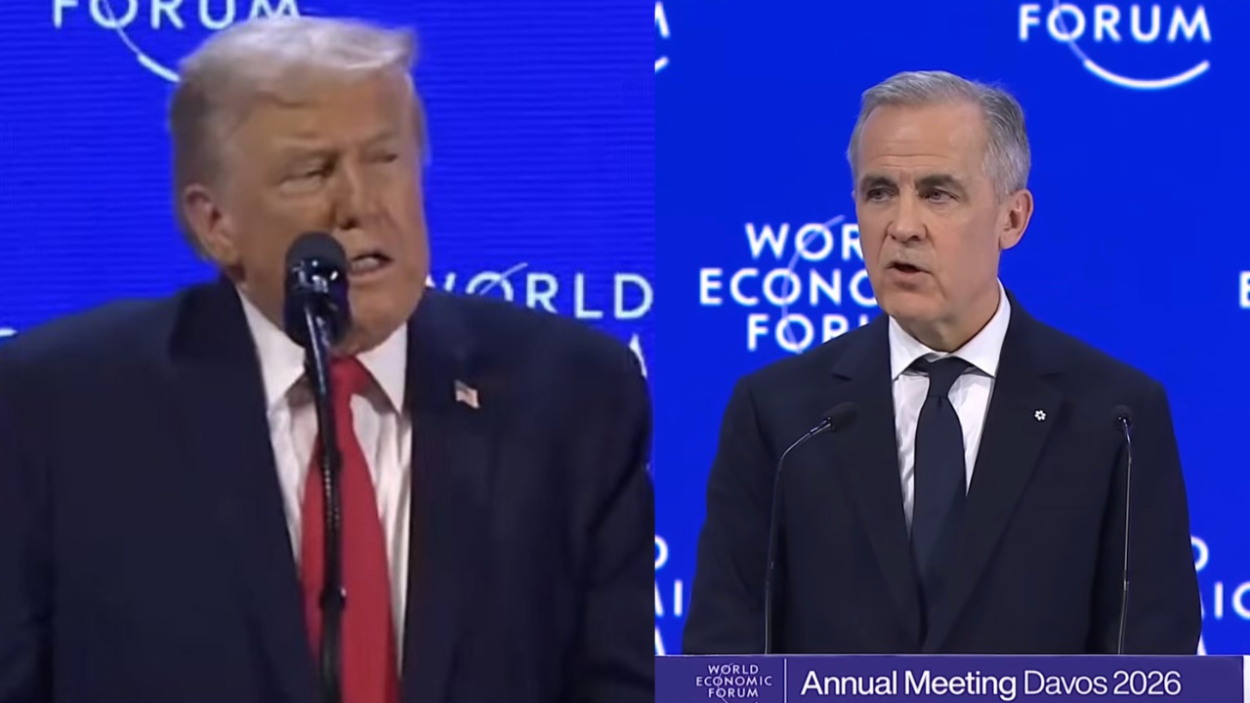
On social media President Trump said he would “decertify” Canadian-made aircraft and impose a 50 percent tariff on any planes sold into the United States. He framed the move as retaliation over a certification dispute involving Gulfstream and Bombardier models. That is a political statement, not an automatic regulatory change, and it landed in public view before any formal rulemaking or legal steps took place.
What “decertify” would actually require
Aircraft certification is handled by aviation regulators, not by a single tweet. In the United States the FAA sets and enforces aircraft type approvals and airworthiness rules. Canada has its own regulator, Transport Canada. Removing an aircraft from U.S. approval would mean technical reviews, safety checks, and legal work. It would not be a one-line executive edict. Any attempt to force rapid decertification would risk safety and spark lawsuits and industry backlash.
Tariffs are more complicated than a threat
Tariffs can be imposed, but there is a formal process under U.S. trade law and often under international rules like the WTO. A 50 percent tariff on aircraft would hit airlines, business jet buyers, leasing companies, and manufacturers. It would also raise prices and slow deliveries. Firms caught between two governments are the ones that pay, not the bureaucrats who drew up the threat.
The political context and some messy reporting
Tensions with Canada have been part of recent political back-and-forth, and trade threats are a familiar tool. Some reports mixed up names and roles, attributing statements to figures who do not hold the titles described. That matters. Accurate reporting about who said what helps people judge whether a dispute is diplomatic theater or a lawful policy move.
What to watch next
Look for formal steps. Watch for an FAA notice, a Commerce Department tariff filing, or a legal complaint at the World Trade Organization. Also watch how industry groups respond. Plane makers, carriers, and regulators have real expertise and real contracts. If this becomes a policy track, expect hearings, delays, and plenty of paperwork.
WE’D LOVE TO HEAR YOUR THOUGHTS! PLEASE COMMENT BELOW.



Leave a Comment