
What the headlines are saying
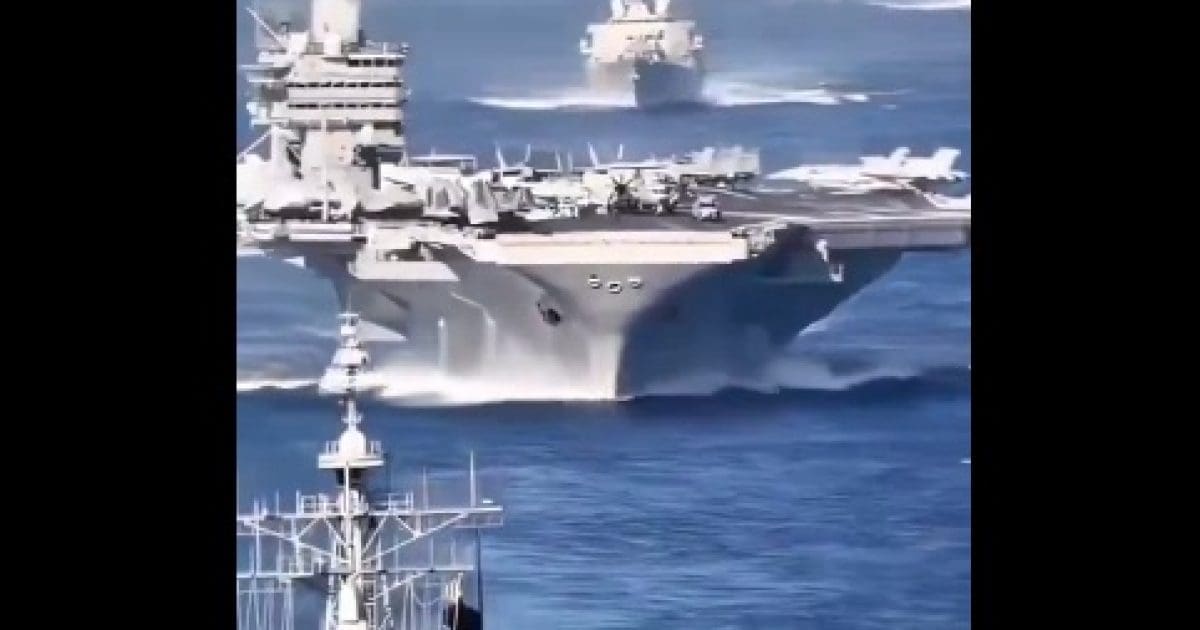
For the last few weeks media and social feeds have shouted about an American armada near Iran. Some outlets point to carrier strike groups and missile defenses. Others cite thousands of troops and more aircraft. The common thread is urgency. Reports vary and some rely on anonymous tips. That makes sense. In matters of war and peace, officials leak for effect and reporters race to file copy. Read the noise with a grain of salt and keep your eyes on concrete steps.
Numbers and units on the move
The safe short version is this. Different sources list different totals. You will see figures like 25,000 or 40,000 to 50,000 troops, plus aircraft carriers, refueling tankers, and Patriot and THAAD batteries. The U.S. already keeps forces in the region, so some of this is repositioning rather than massing from scratch. Still, moving assets is expensive and deliberate. It signals readiness and gives leaders options if events escalate.
Signals from Washington
President-level messages have been unusually direct and broadcast in multiple languages. Officials say the goal is to protect civilians and deter Iranian aggression. That is one way to keep options open. Another way is that public warnings can box a government into taking or avoiding certain steps. This is classic political messaging. It can prevent violence, or it can force an adversary to respond to avoid appearing weak. Either outcome matters strategically.
What an actual strike would require
A genuine bombing campaign is not a weekend hobby. It needs planning, legal checks, intelligence, logistics, and clear military goals. Targets would range from air defenses to missile sites to command nodes. Even a limited strike risks escalation with proxy forces and commercial shipping. Leaders weigh military effects against political fallout. That is why many moves you see are about having choices rather than choosing one right now.
Risks, unknowns, and escalation
The biggest risk is miscalculation. A single air-to-air or naval clash can widen into a larger fight. Bad intelligence, false flags, or local skirmishes could spiral. Also unknown are Iranian internal dynamics and how allied states will react. Long supply lines and public opinion at home also shape decisions. Militaries prepare for many scenarios. Governments pick from those options when the time comes.
How the media and PR shape the story
We are seeing a mix of sober analysis and theatrical leaks. Warnings from officials get amplified by pundits who prefer certainty. Financial circles trade on rumor, which drives headlines. Meanwhile activists and foreign outlets push competing narratives. The result is a lot of volume and not always much clarity. Read sources with different biases and note where the facts line up, not just the tone of the story.
WE’D LOVE TO HEAR YOUR THOUGHTS! PLEASE COMMENT BELOW.

Leave a Comment